
The Alarming Reality of Climate Change — And the Urgent Hope for Action
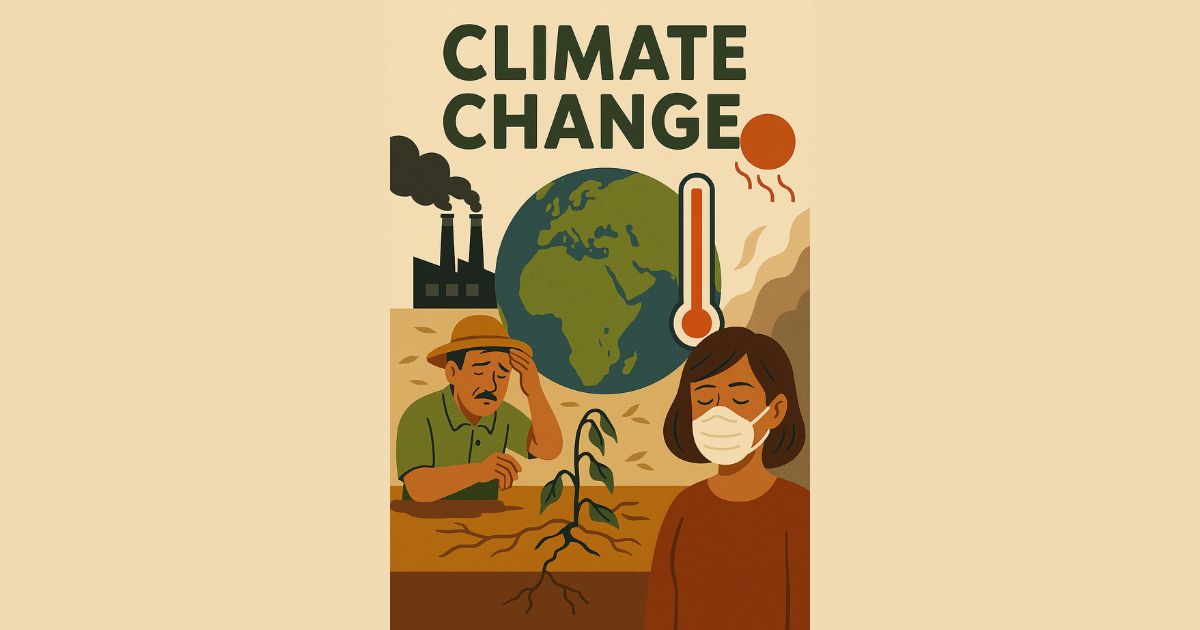
Climate change is a term that has gained notable attention in recent years. It is no longer a distant concern that is confined to scientific journals and international summits. It is a lived reality which is casting its shadow on our everyday lives. Climate change has become an undeniable force that is reshaping our environment and our habits from erratic weather patterns and rising temperatures to shifting seasons and health implications. So what really is climate change?
Climate change is long term alterations in earth’s climate and weather patterns. It is primarily caused by human activities such as burning of fossil fuels (e.g., coal, oil, natural gas etc.) for electricity, heat and transportation, deforestation, industrial activities like manufacturing and chemical production, poor waste handling and increase in urbanization.
All of these human activities add to the accumulation of greenhouse gases in the earth’s atmosphere which leads to a warmer planet, change and shift in weather patterns, rise in sea level, and causes other impacts in climate. But how does this major global issue impact our daily lives? Let’s dive in.
Changing Weather Patterns
One of the most growing effects of climate change is the shift in weather patterns. Summers are getting longer and hotter, while winters are either unusually short or unexpectedly severe and too cold. Several regions of India have experienced more frequent and extreme heat waves, with temperatures soaring above 45°C. These prolonged and intense heat waves have led to health crises (eg. dehydration, heatstroke, heat rashes, etc), water shortages, and crop failures. These extremes not only affect our health and comfort but also strain energy resources, as more people rely on air conditioning, coolers and refrigerators, which leads to high consumption of electricity and more power shortages.
Also, unpredictable weather patterns have caused delayed or irregular monsoons. This is affecting agriculture as farmers now find it harder to predict when to sow or harvest the crops, which further leads to reduction in agricultural productivity. For city dwellers, these unseasonal rains leads to waterlogging, traffic jams, and damaged infrastructure. Even small errands, like going to work or buying groceries, are disrupted by such unpredictable weather events.
Impact on Health
Global warming directly affects human health. More air pollution due to industrial processes and vehicle emissions worsens under conditions of temperature inversions, causing respiratory problems, particularly among children and the elderly. Asthma, allergic reactions, and other respiratory ailments are on the increase, especially in urban centers.
In addition to this, intense heat may cause heatstroke, dehydration, and exhaustion.
Floods can carry contaminated water that causes waterborne diseases such as cholera and dengue. As the temperatures change, diseases that used to be specific to tropical climates are spreading to other regions, exposing populations that were not previously at risk.
Food and Water Insecurity
With increasingly unpredictable rainfall and more frequent droughts, water scarcity is increasingly becoming a daily reality for millions. Rivers and lakes dry up more quickly than ever, and groundwater levels decline. Frequent water rationing is now experienced by residents in both urban and rural settings, and clean drinking water is a luxury in some areas.
The rise and the fall in the prices of food is also affected by climate change. A crop failure as a result of too much rain or a drought will lead to a dramatic increase in prices of vegetables, grains, and fruits. Poor families suffer the most as their budgets take a hit every month due to increased food prices.
Psychological and Social Effects
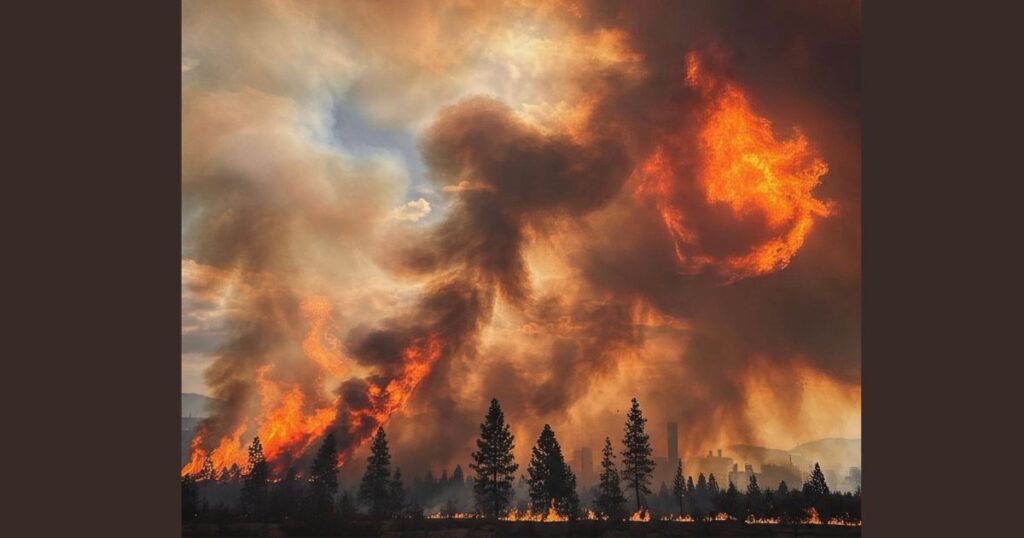
Apart from the economic and physical effect, climate change also takes its toll on our psyche. With the threat of natural catastrophes such as floods, cyclones, and forest fires looming large, there’s always a feeling of insecurity and tension. Trauma, depression, and loss of hope strike individuals who lose their homes or sources of livelihood to these disasters.
In addition, climate-stress migration is on the rise. In coastal and arid regions,
households are compelled to evacuate their homes in pursuit of improved standards of living. This may result in urban overpopulation, further straining housing, employment, and public services.
Lifestyle Changes
People are gradually altering their lifestyles in response to climate change. Most have begun using bicycles or public transport to minimize their carbon footprint. Solar panels, rainwater harvesting, and organic farming are gaining prominence as people and communities attempt to live in a more sustainable manner.
Simultaneously, climate change is also affecting our consumption, eating, and shopping habits. Green products are increasingly becoming popular. People are becoming more aware about fast fashion, plastic consumption, and food wastage. The minor changes in our daily habits represent an increase in awareness and a willingness to make a difference to a healthier world.
Conclusion
Climate change is not a vague threat but it is a reality that exists in today’s world. Its impacts are being revealed before our eyes. Everything in our life from the food on our plates and the water we consume to the air we breathe and the clothes we wear is being affected by it.
While government, organization and corporations play a large role in tackling the climate change crisis, individual awareness and action are equally required and are crucial. We can no longer afford to ignore the visible signs of changing climate. Climate change is here. It is real. The time to act is now before the changes become irreversible and the consequences unbearable. Even a small step makes a difference and collectively, we can still guide the world to a greener tomorrow.
Disclaimer: The views expressed in this article are for informational purposes only and do not necessarily reflect the official policy or position of any organization. If you have concerns or believe there are factual inaccuracies, please write to us at info@primejournal.in or Contact Us.
Gun Singhal is a BBA graduate and dedicated content writer with a strong interest in personal development,productivity,fitness and lifestyle. With a talent for simplifying complex ideas, Gun focuses on creating insightful, actionable, and value-driven content tailored to the needs of ambitious, growth-oriented individuals.